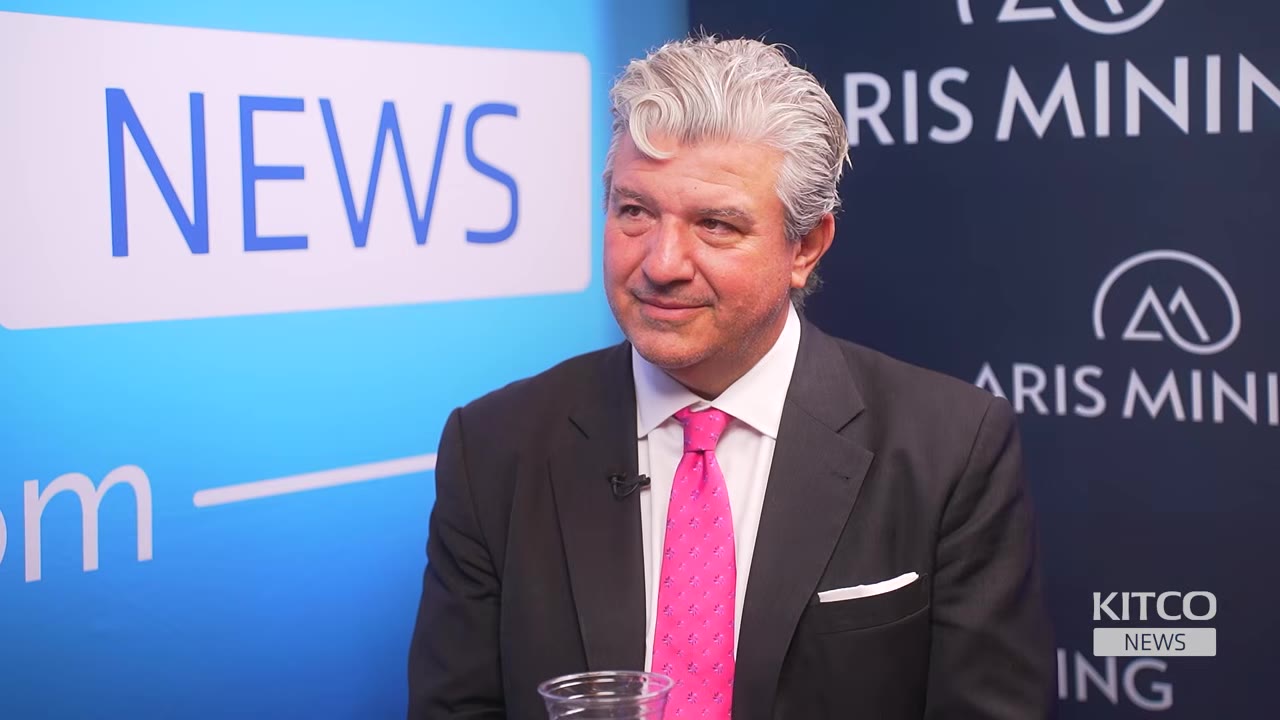
Central banks buying gold at a record pace has become a defining trend in today’s markets, even as Western investors scale back. Eastern nations continue accumulating physical gold, underlining shifting global priorities.
Diverging Trends: East vs. West in Gold Investment
Over the past 18 months, investors from both the West and the East have been actively involved in the gold market, but recent changes in the Fed’s policy and concerns about potential interest rate hikes have led many Western investors to sharply reduce their exposure to gold. On the flip side, Eastern investors have continued buying gold at a record-breaking pace—and in some cases have even been selling other assets just to keep that trend going. This—for all its pros and cons—actually serves to underscore a sustained global demand for the real deal: physical gold, especially from countries that put long-term stability solidly ahead of short-term market fluctuations.
Why Central Banks Are Doubling Down on Gold
Kitco NEWS reports that central banks all over the world are snapping up around 1,000 tonnes of gold every year—roughly doubling the amount they were buying a decade ago. And that shift in buying behavior is telling us that governments are getting nervous about the future of their economies. The World Gold Council points out that central banks in emerging markets are particularly keen on holding onto physical gold as a safety net against economic turmoil and the risk of a major global crisis. They see gold as a rock-solid way to keep their national wealth safe and liquid—basically as a form of insurance against the wild ups and downs of the global markets.
A top example of this trend is China, which has been buying gold non-stop for 12 months now. Chinese leaders view gold as a vital part of their reserve assets—a valuable resource that gives them the flexibility to respond to emergencies and helps protect against the kind of global upheavals that can rock currency markets. Another country that shows exactly how central banks can use gold in the real world is Turkey—they’ve used gold to support their currency when times get tough, or when inflation starts to get out of hand, providing a clear illustration of gold’s enduring importance.
The Rise of Eastern Gold Markets
Asia’s influence in the gold market is growing fast, with the Shanghai Gold Exchange and other local exchanges becoming major trading powerhouses. These trading platforms, along with new clearing systems that now connect Hong Kong to Shanghai, are basically building the infrastructure needed to really take gold trading across the continent to the next level. It’s a sign of the East being a lot more proactive about acquiring actual gold and building a robust market that doesn’t have to rely on Western financial centers to function.
Impact of Gold Production and Market Integrity
The World Gold Council points out that artisanal and small-scale mining now accounts for a pretty sizeable chunk of global gold production—up to 20% every year. That has a big impact on many local economies, which is all well and good, but it also raises some serious concerns about the potential for illicit gold getting into the supply chain. With central banks and big institutional investors buying up more gold, the whole market has to be squeaky clean and transparent or long-term stability just isn’t going to happen.
Source — Kitco NEWS: https://www.youtube.com/watch?v=asQTEyXnYrM