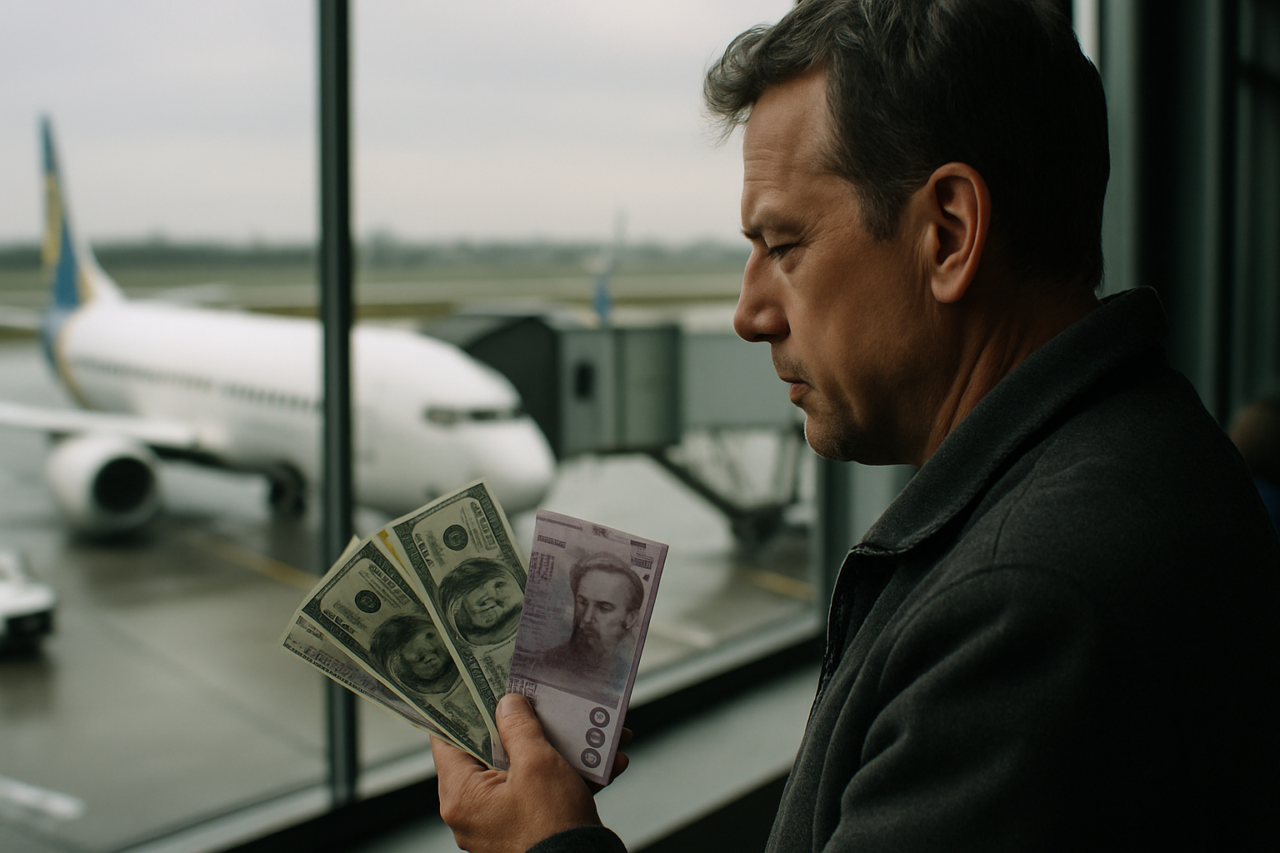
Foreign investments can significantly affect the dynamics of hryvnia capital flight, as they can either strengthen or weaken the currency depending on the underlying economic situation.
Understanding Capital Flight and Its Triggers
The term capital flight is used to describe the rapid exodus of money and assets from a country, most often in the wake of political or economic uncertainty. The host of Incrypted would point out that what drives these outflows are investor apprehensions about taking losses, shifts in government policy, or other geopolitical risks. In the case of Ukraine, the departure of foreign investors means they are exchanging their hryvnias for dollars or euros, which in turn increases demand for hard currency and puts pressure on the national currency.
This phenomenon is not exclusive to emerging markets. Recently, Ukraine has become a case study in how the hryvnia can be vulnerable to external shocks and market sentiment. Should confidence erode, the currency is prone to rapid depreciation, leading to inflation and a loss of purchasing power for residents.
How Capital Flight Strengthens and Weakens the Hryvnia
The varied ways capital flight impacts the hryvnia cannot be overstated. The Incrypted episode put it well: a wave of foreign investment into Ukraine will increase demand for the national currency and put upward pressure on its value, fostering a degree of economic stability that attracts more capital. But the reverse is also true. When investors move to liquidate their positions en masse, they are selling off hryvnias for foreign currencies, and the increased supply devalues the currency.
Such a cycle is a source of volatility for the local market. As the host of Incrypted observed, the hryvnia’s resilience is tested whenever global investors reassess risk. The National Bank might intervene during an outflow to support the currency with foreign reserves, but as a long-term strategy, this is hardly sustainable.
Broader Consequences for Ukraine’s Economy
The effects of capital flight on the hryvnia are not limited to currency markets. A depreciation of the currency tends to drive up import costs and fuel inflation, while at the same time eroding savings. For the average household or business, the result is often higher prices and a loss of economic confidence. The Incrypted team has pointed out that such persistent outflows are an impediment to economic development and put Ukraine at a disadvantage when it comes to attracting new foreign investment.
Conversely, a restoration of confidence and an inflow of capital can allow the hryvnia to recover, with the attendant benefits of lower inflation and improved growth. In the end, the relationship between the hryvnia exchange rate and capital flight is both a cause and a symptom of broader economic trends, which is why policies designed to build investor trust and ensure stability are so vital.
Source — Incrypted: https://www.youtube.com/watch?v=b17Vwn5fz6A