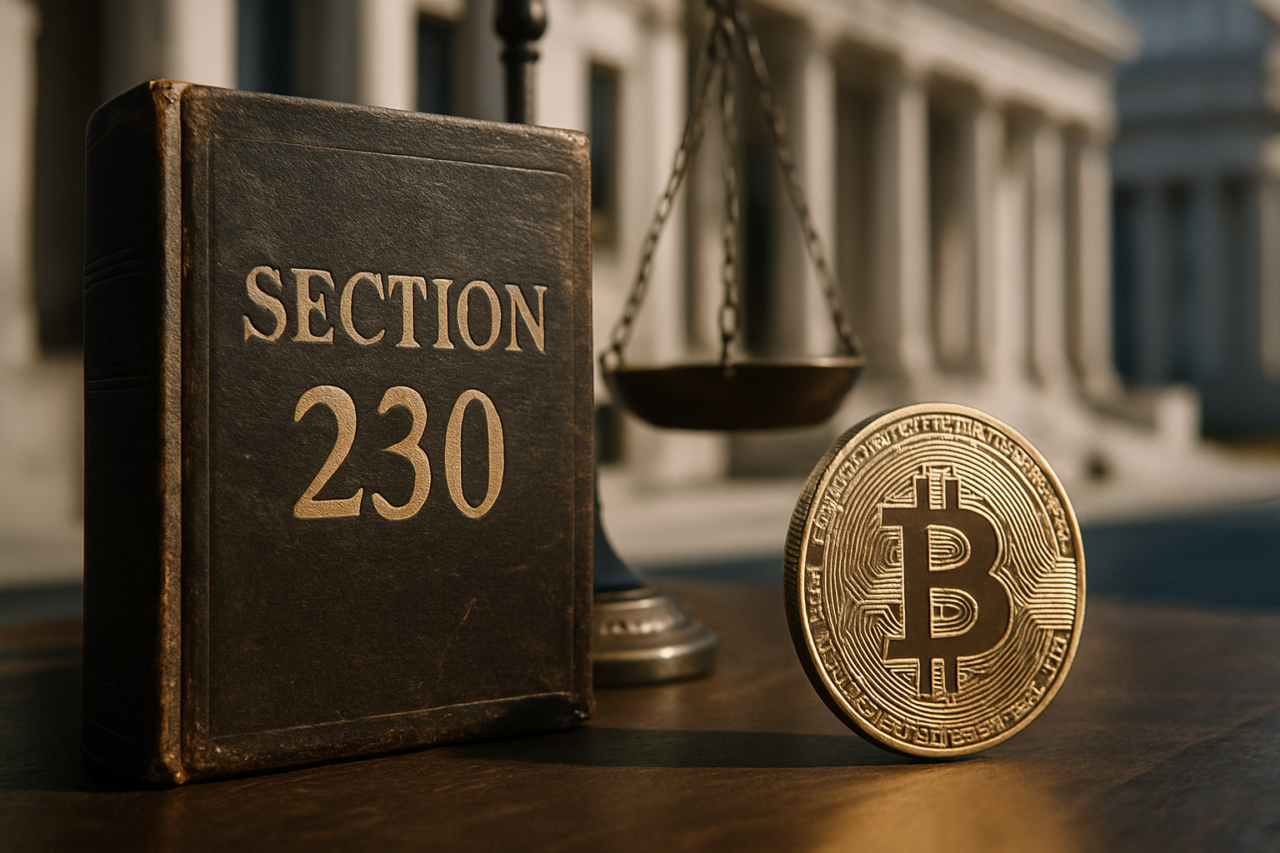
The possibility of overturning Section 230 could present a significant danger to a law that has protected social media and other websites from liability for third-party content since the late 1990s, while the cryptocurrency sector offers no similar protection.
Understanding Section 230 and Its Role Online
Since it was first enacted in the 1990s, Section 230 of the Communications Decency Act has served as a cornerstone of the internet. The provision shields online platforms from liability for material their users post, affording immunity to the likes of social media giants and forums. Yet, as the Unchained podcast notes, any move to overturn Section 230 could be a turning point for the digital landscape. It would represent a fundamental change in the way these services operate, one that might subject them to serious legal challenges and compel a more rigorous approach to moderation.
Crypto Industry Faces Unique Legal Uncertainty
The crypto space is not afforded the kind of legal protection found on conventional online platforms. There is no Section 230 to act as a shield for DeFi protocols, exchanges, or blockchain projects against being held accountable for what third parties do or publish, as was made clear in the Unchained episode. In the absence of such a safeguard, the industry is exposed to the kind of regulatory pressure and litigation that arises when courts and governments seek to hold platforms responsible for user misconduct or other illicit behavior.
Potential Consequences for Digital Asset Platforms
Should Section 230 be overturned, mainstream online platforms would have no choice but to overhaul their legal and content moderation strategies. In the world of crypto, there is no such framework to rely on; exchanges and decentralized protocols are left to navigate a patchwork of local and international rules with no safety net. Unchained has covered how this situation can stifle innovation and drive up the cost of compliance, while putting both startups and established crypto leaders at greater risk in some jurisdictions. Then there is the matter of legal ambiguity, which is enough to deter new entrants and prompt a more cautious approach to running a platform.
Source — Unchained: https://www.youtube.com/watch?v=PVMrs7Zq-Cg