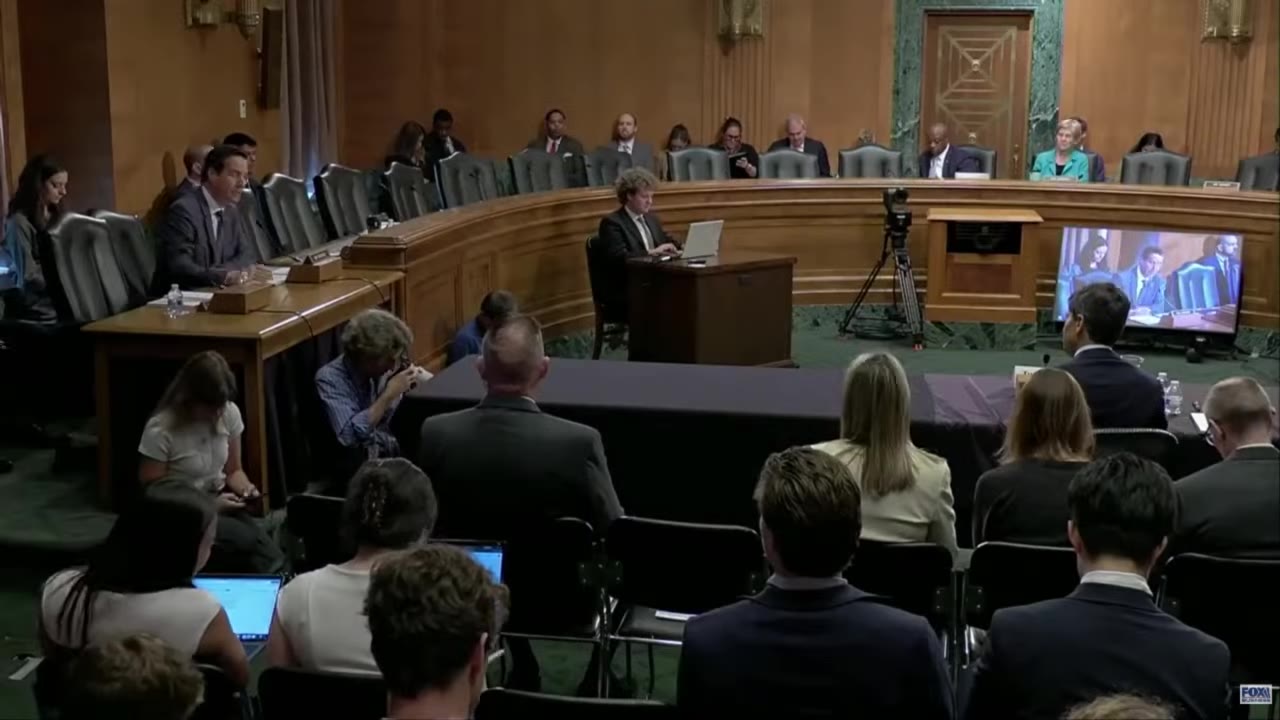
The delay in the Clarity Act is drawing fire from Congressmen and industry experts alike because of the need to regulate stablecoins, a law which is on the fast track for passage. There are only 22 days left to approve this legislation before it becomes law and thus brings clarity to the digital payments space.
Why the Clarity Act Matters for Stablecoins
With the Clarity Act, the aim is to bring order to the use of stablecoins and open up payment systems for consumers. Getting this legislation through is considered important in today’s rapidly changing digital finance landscape, where clear rules are needed to protect users and give companies direction. Yet there is the problem of delays, which have become quite pronounced as the time for final approval draws near. The Paul Barron Network has pointed out that such holdups risk putting the market in a regulatory grey area and stalling innovation.
Then there are the stablecoins themselves. These digital tokens are tied to conventional currencies and offer a way to transact more quickly and at lower cost. They have won favor with firms like PayPal and Stripe, no doubt adding to the pressure on banks. In the absence of the Clarity Act, however, there is no certainty for either side of the transaction as to what can be done with these assets in a safe and lawful manner.
Political Tensions and Key Resignations
The future of crypto regulation is in some doubt given these delays, says Patrick Witt. The financial expert has put the matter in perspective following his own decision to step away from his post as an advisor at the White House for the time being. With his exit happening when it does, there is added uncertainty as to what will become of the Clarity Act, a topic the guests on the Paul Barron Network have been weighing in on.
Then there is the matter of the bill itself. Senator Elliott Andrews has put forward a proposal to write in new ethical standards that would bar government officials and their relatives from profiting from cryptocurrency investments. While it is a way to safeguard public confidence, it has only served to make the legislative process more tangled.
Banking Industry Pushback and Market Impact
There is active resistance to the Clarity Act from within the banking industry. The sector’s representatives argue the legislation stands to cut into their bottom line at a time when they are facing increased head-to-head competition with fintech companies.
Paul Barron and his guests have pointed out that old guard institutions like JP Morgan are worried about an erosion of income from stablecoins, USDC for instance, in light of shifting regulations and new alliances. Then there is the matter of cryptocurrencies going mainstream; analysts see a risk that without the Act, banks will be left on the sidelines and forfeit capital and earnings. With the likes of Binance and Robinhood putting more crypto services on the table, regulation is all the more necessary to safeguard consumers and level the playing field.
The Rise of Tokenization and the Need for Regulation
Tokenization is in vogue across the financial sector. We are witnessing a wave of activity, from the DTCC and others putting forward programs to put securities in digital form. The Invesco NASDAQ 100 ETF has been tokenized with some success, a case in point for how tokens can be of real use in day-to-day financial operations. As conventional assets make their way to the blockchain, it becomes apparent that regulation must be both clear and prompt.
Then there is the matter of the Clarity Act delay, which has put the industry in something of a holding pattern. What is needed are unambiguous rules to foster innovation and guarantee a level playing field for banks, fintechs, and crypto-native companies alike, all while the consumer is protected.
Source — Paul Barron Network: https://www.youtube.com/watch?v=F82N6RroZYo