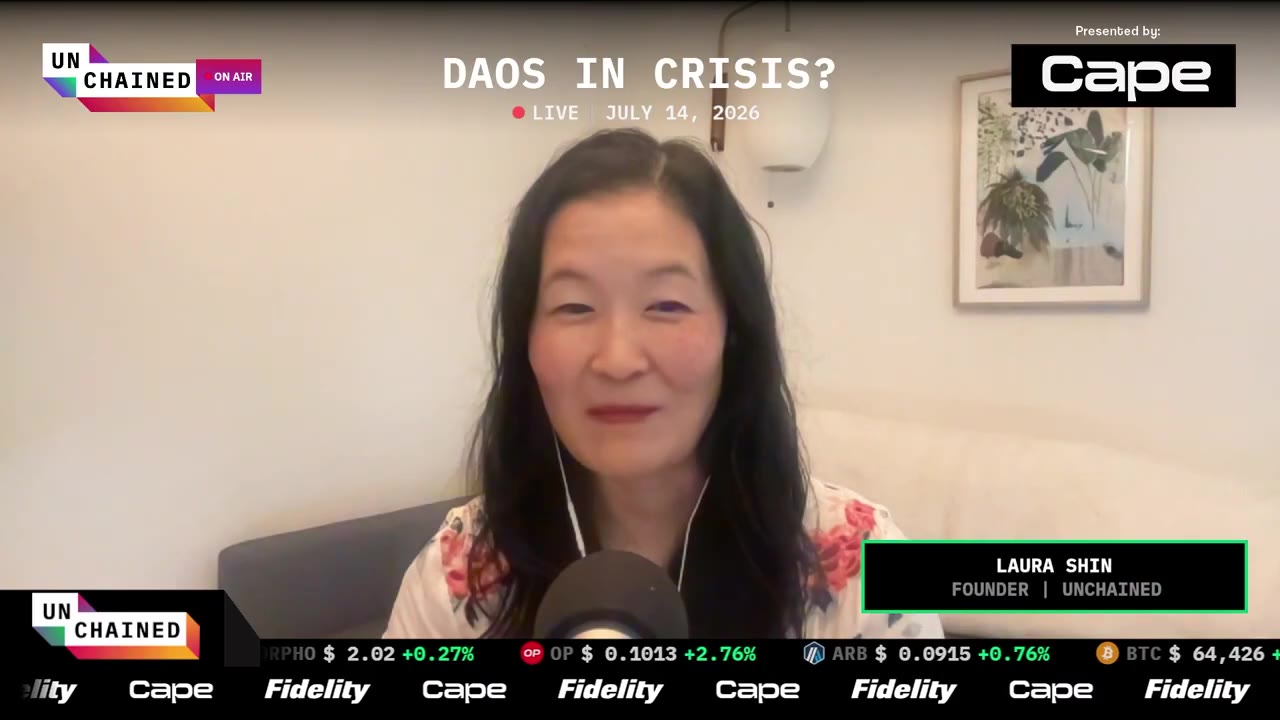
MetaDAO is pushing for the adoption of decision markets to promote better governance and mitigate the control exercised by big investors within DAOs. This revolutionary way of making important decisions will transform the workings of decentralized organizations, and it is already generating heated discussions among crypto enthusiasts.
Why MetaDAO Is Pushing for Decision Markets
There is a proposal from MetaDAO to do away with the old way of voting in favor of decision markets, and it comes down to a desire to put an end to inefficiency and the risk of governance capture. Rather than a straightforward majority vote, these markets let participants put their money where their mouth is by trading on outcomes they think will add value to the token. In this way, the system aligns incentives with the well-being of the DAO and curbs the kind of voter apathy often seen in decentralized bodies.
Catherine Ingram made the case for strong on-chain treasury management as a matter of accountability on the Unchained podcast. Yet she was candid about the fact that the very transparency required can make treasuries a honeypot for bad actors unless there are advanced governance protocols in place. That is precisely what decision markets are meant to rectify, putting in place more subtle checks and incentives to close off those vulnerabilities.
ENS Governance: Power Imbalances and Calls for Reform
ENS’s present governance has been criticized for being inefficient and lacking accountability. Alex van de Sande and Nick Johnson, two of the project’s principal figures, have voiced increasing unease at the way founders and major stakeholders hold sway. To put a check on that power, Johnson has put forward the idea of issuing tokens to new delegates. Van de Sande would go further, contending that such delegates should command 60% or more of the DAO vote to form a bloc capable of standing up to the largest interests.
Such proposals have sparked spirited debate over whether the treasury might be better served by a foundation. While that could be seen as a step toward greater accountability, it is also viewed by some as a threat to the very decentralization the DAO stands for. It is a dilemma between efficiency and the decentralized ideal that many in the space are having to contend with these days.
Market Reactions and the Road Ahead
There has been no shortage of talk in the crypto governance world since MetaDAO put forward its decision markets as an alternative to conventional voting. Some see the model as a way to head off the kind of concentrated control that large holders can exert, while also offering better incentives for those who want to be well informed. Others are less convinced; critics argue that without careful design, such markets open the door to risks like manipulation or an excessive focus on the short term.
Then again, with DAOs in a state of flux, the demand for governance that is both effective and accountable is only growing. What was laid out in the Unchained discussion of MetaDAO’s proposal is the most recent of several experiments in trying to strike a proper balance among performance, security, and decentralization. How this particular debate plays out may well set the tone for governance models in web3 at large.
Source — Unchained: https://www.youtube.com/watch?v=nP3QbNddUs0